
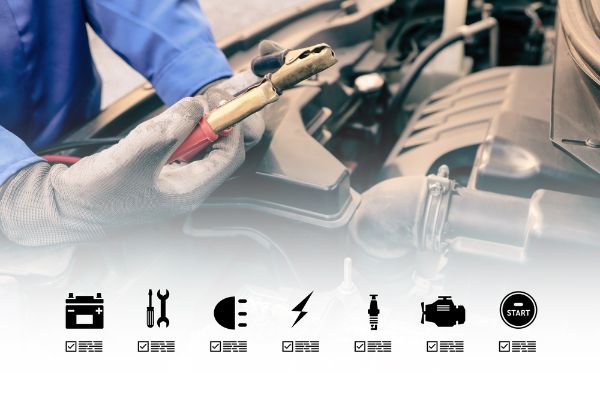
Your vehicle depends on numerous mechanical and electrical systems working together to operate safely and efficiently. From the engine and transmission to the brakes, suspension, and cooling system, every component plays an important role in overall vehicle performance. Over time, normal wear and tear, driving conditions, and a lack of routine maintenance can affect how these systems function.
Preventative vehicle maintenance is one of the most effective ways to protect your investment, reduce unexpected breakdowns, and keep your vehicle performing as it should. Whether you drive daily, commute long distances, or use your vehicle for work, staying on top of routine auto service can help you identify potential problems before they develop into more expensive repairs.
Understanding what your vehicle needs and recognizing early warning signs can help you make informed decisions about auto repair and maintenance.
What Is Preventative Vehicle Maintenance?
Preventative vehicle maintenance involves routinely inspecting, servicing, and replacing components to help keep your vehicle operating properly. Rather than waiting for something to break or a warning light to appear, preventative maintenance focuses on addressing normal wear and identifying potential mechanical problems early.
Your vehicle's maintenance requirements will depend on its make, model, mileage, age, and driving conditions. Following the manufacturer's recommended maintenance schedule is a good starting point.
Common preventative auto maintenance services include:
- Oil Changes: Replacing engine oil and the oil filter helps lubricate internal engine components, reduce friction, and manage heat.
- Brake Inspections: Checking brake pads, rotors, calipers, and brake fluid helps identify wear that could affect stopping performance.
- Tire Maintenance: Tire rotations, pressure checks, and inspections help promote even tread wear and proper handling.
- Fluid Checks: Monitoring coolant, transmission fluid, brake fluid, and power steering fluid helps ensure essential systems have the lubrication and protection they need.
- Battery Testing: Checking battery condition and charging system performance can help identify potential starting and electrical problems.
- Air Filter Replacement: Replacing dirty engine and cabin air filters helps maintain proper airflow and interior air quality.
- Cooling System Maintenance: Inspecting coolant levels, hoses, the radiator, and water pump helps prevent overheating and cooling system problems.
Keeping up with these services can help extend the life of important vehicle components and reduce the likelihood of unexpected mechanical issues.
Common Signs Your Vehicle Needs Auto Repair
Even when you follow a regular maintenance schedule, mechanical problems can still develop. Recognizing changes in how your vehicle sounds, feels, or performs can help you determine when it is time to schedule an auto repair appointment.
Pay attention to these common warning signs.
1. Unusual Noises While Driving
New or unfamiliar sounds can indicate problems with various vehicle components.
For example:
Squealing or grinding may indicate worn brake pads or other brake system issues.
Knocking or tapping from the engine may indicate lubrication problems or internal engine wear.
Humming or whining may point to problems with wheel bearings, the transmission, or other mechanical components.
Clunking over bumps may indicate worn suspension components.
If you notice unusual noises, have your vehicle inspected by an experienced auto technician to identify the source of the problem.
2. Dashboard Warning Lights
Modern vehicles use electronic monitoring systems to alert you when something is not functioning as expected.
Some common dashboard warning lights include:
Check Engine Light: May indicate anything from an emissions-related issue to an engine performance problem.
Battery Warning Light: Can signal a problem with the battery, alternator, or charging system.
Oil Pressure Warning Light: May indicate low oil pressure, which can cause serious engine damage if ignored.
Brake Warning Light: May indicate low brake fluid, a parking brake issue, or another brake system concern.
Coolant Temperature Warning Light: Can indicate that your engine is overheating or experiencing a cooling system problem.
Never assume a warning light will go away on its own. Some issues require immediate attention, particularly warnings related to oil pressure, engine temperature, or braking performance.
3. Changes in Vehicle Handling or Performance
Your vehicle should respond predictably when accelerating, braking, steering, and turning. If you notice changes in how it handles, there may be an underlying mechanical issue.
Common symptoms include:
Vibrations in the steering wheel or throughout the vehicle.
Pulling to one side while driving.
Difficulty steering or unusual steering resistance.
Delayed acceleration or reduced engine power.
Rough shifting or transmission slipping.
Excessive bouncing or instability over uneven roads.
These symptoms may be associated with suspension repair, wheel alignment, brake repair, transmission service, or engine diagnostics.
Having the problem evaluated early can help prevent additional wear and damage.
4. Fluid Leaks Under Your Vehicle
Fluid leaks are another important warning sign that your vehicle may need professional attention.
Different automotive fluids have different colors and consistencies, and identifying where a leak originates can help technicians determine which system needs attention.
Common vehicle fluid leaks include:
Engine Oil: Often appears brown or black and may indicate a leaking gasket, seal, or oil filter.
Coolant: Typically appears brightly colored and may indicate a leaking radiator, hose, water pump, or cooling system connection.
Transmission Fluid: Often reddish or brown and may indicate a damaged seal, gasket, or transmission component.
Brake Fluid: Usually clear to light amber and may indicate a leak within the hydraulic brake system.
Power Steering Fluid: May appear reddish, amber, or clear, depending on the vehicle and fluid type.
If you notice fluid underneath your vehicle, do not ignore it. Some leaks can lead to overheating, component failure, or reduced braking performance.
5. Decreased Fuel Efficiency
If you find yourself visiting the gas station more frequently than usual, your vehicle may not be operating as efficiently as it should.
Several mechanical issues can contribute to reduced fuel economy, including:
- Dirty engine air filters.
- Worn spark plugs.
- Faulty oxygen sensors.
- Tire pressure problems.
- Fuel system issues.
- Engine performance problems.
Routine vehicle inspections and engine diagnostics can help identify potential causes of decreased fuel efficiency.
Why Routine Auto Inspections Are Important
Not every vehicle problem produces an obvious warning sign. Some components gradually deteriorate without making unusual noises or triggering dashboard alerts.
Routine auto inspections give an experienced auto technician an opportunity to evaluate important vehicle systems and identify developing concerns.
Depending on your vehicle's age, mileage, and maintenance history, an inspection may include:
- Engine performance and diagnostic testing.
- Brake system condition and fluid levels.
- Suspension and steering components.
- Battery and electrical system testing.
- Belts, hoses, and cooling system components.
- Tire condition, tread depth, and pressure.
- Transmission operation and fluid condition.
- Exhaust system components.
Regular inspections can help you stay informed about your vehicle's condition and prioritize repairs based on urgency.
How Driving Conditions Affect Vehicle Maintenance
Your driving habits and environment can influence how frequently your vehicle needs maintenance and repair.
For example, frequent stop-and-go traffic can increase wear on your brakes, while extended highway driving may contribute to additional mileage-related maintenance needs.
Other conditions that can affect vehicle performance include:
Extreme Temperatures: Hot weather can place additional stress on your battery and cooling system, while cold temperatures can affect battery performance, tire pressure, and engine starting.
Rough or Uneven Roads: Potholes, gravel roads, and uneven pavement can contribute to premature tire wear, suspension damage, and wheel alignment problems.
Frequent Short Trips: Repeated short-distance driving may prevent your engine from reaching its optimal operating temperature, potentially contributing to moisture and contaminant buildup.
Heavy Loads and Towing: Carrying heavy loads or towing trailers can place additional strain on your engine, transmission, brakes, tires, and suspension.
Understanding how these conditions affect your vehicle can help you make better maintenance decisions and avoid unnecessary wear.
Why Choose a Professional Auto Repair Shop?
While some basic maintenance tasks can be performed at home, many automotive repairs require specialized tools, diagnostic equipment, and technical knowledge.
A professional auto repair shop can help you identify mechanical and electrical problems, perform routine maintenance, and recommend repairs based on your vehicle's condition.
Whether you need an oil change, brake repair, engine diagnostics, transmission service, suspension repair, air conditioning service, or general automotive maintenance, working with qualified auto technicians helps ensure your vehicle receives the appropriate attention.
Professional automotive services may include:
- General auto repair and maintenance.
- Engine diagnostics and repair.
- Brake inspections and repair.
- Transmission diagnostics and service.
- Heating and air conditioning repair.
- Cooling system and radiator repair.
- Suspension and steering repair.
- Electrical system diagnostics.
- Battery testing and replacement.
- Tire services and wheel alignment.
- Preventative maintenance and vehicle inspections.
Having one reliable auto repair shop for your ongoing maintenance and repair needs can also make it easier to track service history and stay ahead of recommended maintenance.
Keep Your Vehicle Running Reliably with Regular Maintenance
Your vehicle is an important investment, and taking care of it requires more than addressing problems after they occur. Routine maintenance, timely inspections, and attention to unusual changes in performance can help reduce unexpected breakdowns and support long-term vehicle reliability.
From oil changes and brake service to engine repair, transmission maintenance, electrical diagnostics, and suspension work, staying proactive about automotive maintenance can make a meaningful difference in your vehicle's condition.
If your vehicle is due for maintenance or showing signs of a mechanical problem, Monaco Motors is here to help. Contact our team in Canoga Park to schedule an appointment and learn more about our general auto repair, preventative maintenance, and automotive services.